If you’re planning a new home, the exterior is one of the first big decisions that feels permanent. It’s the first thing you see when you pull into the driveway, and it’s the part of the house that takes every summer storm and January freeze. So it makes sense that brick vs siding comes up early in almost every planning conversation we have in Southeast Missouri.
There’s also some news behind the question. Fewer new homes are being built with brick than at any point in decades. That doesn’t mean brick is going away. It means it’s becoming a choice instead of a default, and that’s worth understanding before you pick yours.
Here’s an honest, local look at how brick and siding compare, and how to decide what’s right for your home and your budget.
Table of Contents
Fewer New Homes Are Brick. Here’s Why.
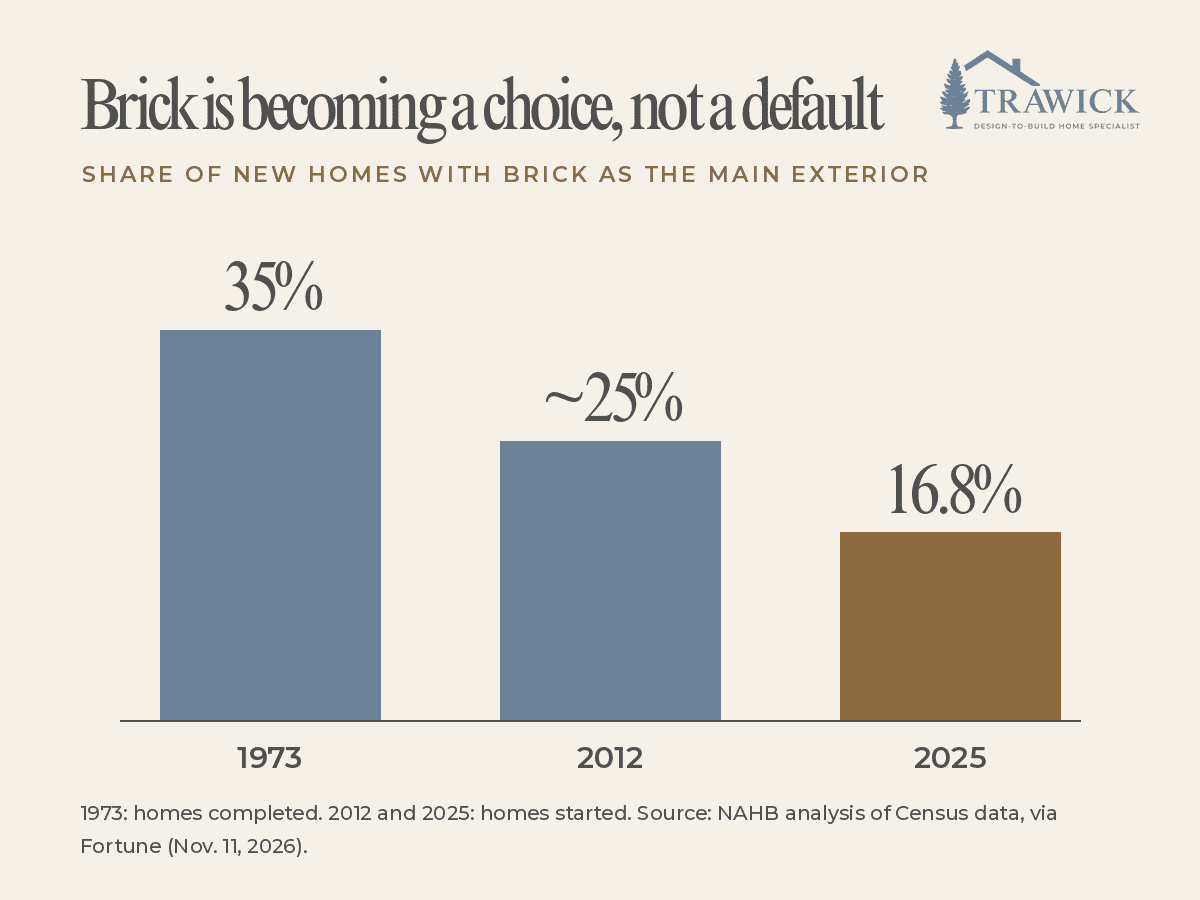
According to a National Association of Home Builders analysis of Census data, brick or brick veneer was the main exterior on about 16.8% of new single-family homes started in 2025, down from nearly 25% in 2012. Back in 1973, brick was the primary exterior on 35% of new homes completed (Fortune, Nov. 2026).
The reasons are practical, not about taste:
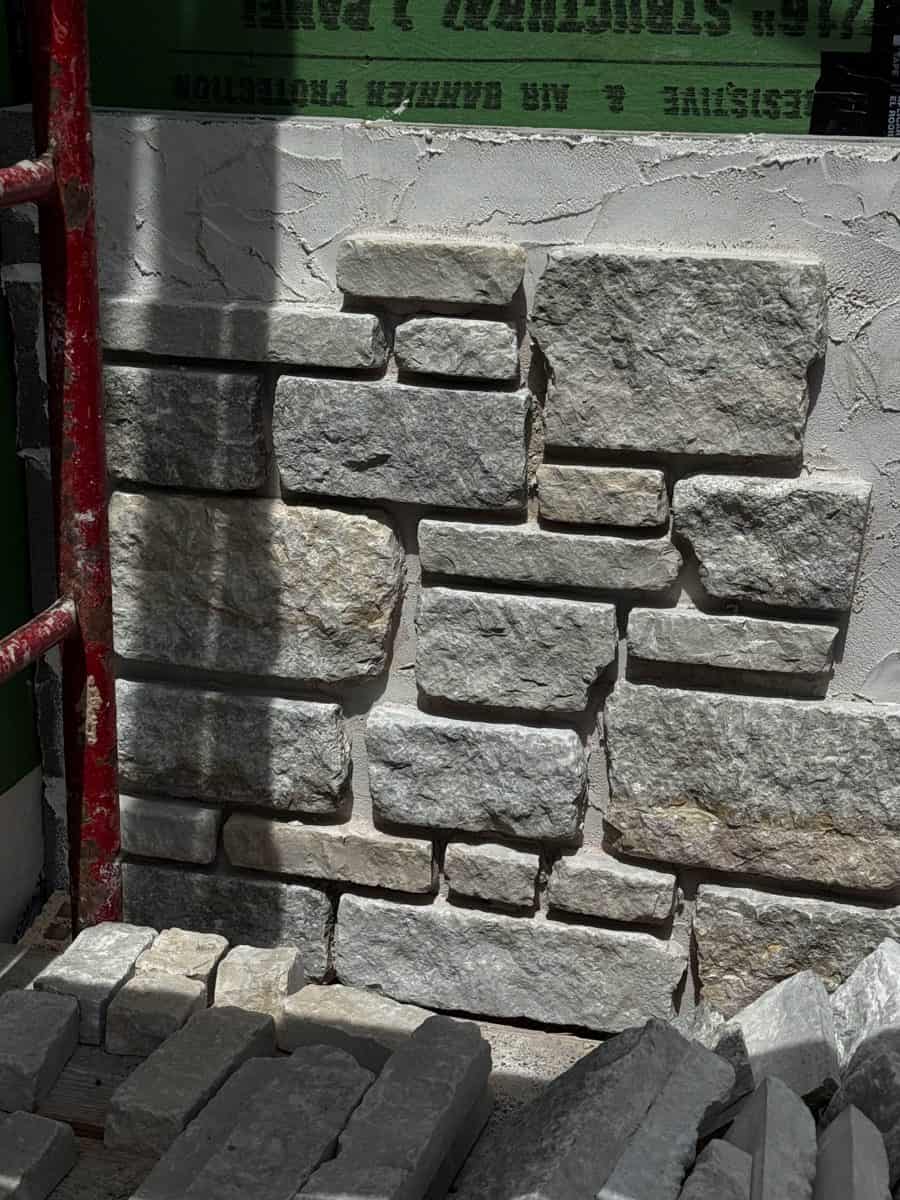
- Labor. Brick is laid by hand, one unit at a time, by skilled masons. Siding goes up faster with a smaller crew.
- A workforce gap. Associated Builders and Contractors estimates the industry needs roughly 456,000 more construction workers in 2027, and skilled trades like masonry feel that first.
- Speed and cost pressure. When builders are trying to hold prices down, faster exterior systems win.
So when you see a full brick home going up today, someone chose it on purpose.
Brick vs Siding: How They Really Compare
Neither material is “better” across the board. They’re good at different things. Here’s how we walk families through it.
Lifespan and durability
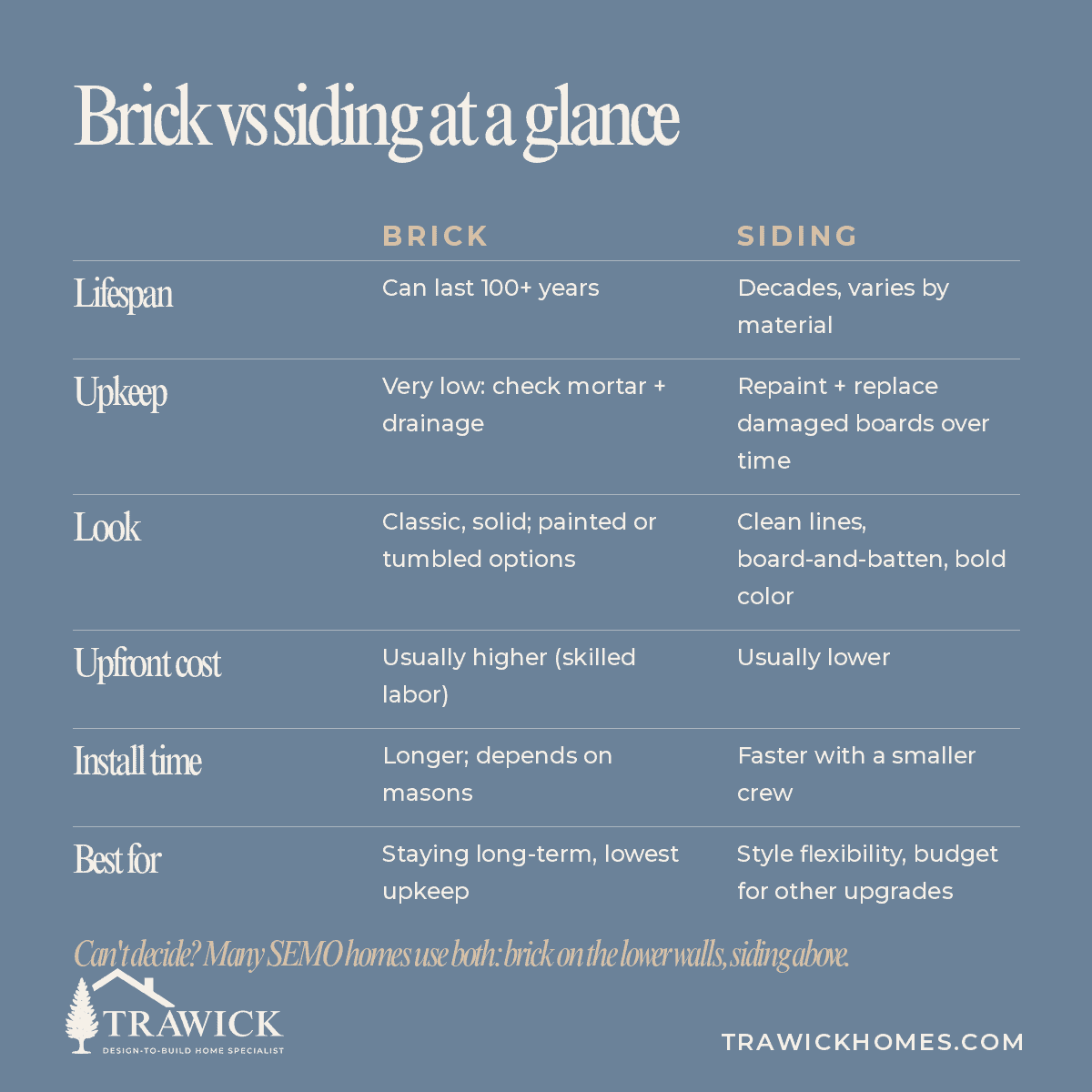
Brick is about as long-lasting as exterior materials get. Experts quoted in that same Fortune report say brick can last 100 years or more, while some newer exterior products are closer to 30 years, depending on the material and how it’s installed. Masonry also holds up well to fire, hail and the humidity swings we get here.
Quality siding has come a long way, though. Fiber cement and engineered wood siding are much tougher than the thin vinyl many people picture, and when they’re installed and painted well, they hold up for decades.
Maintenance
Brick asks very little of you. Expect to check mortar joints over the years and keep gutters and grading sending water away from the walls. Siding needs more attention over time: repainting fiber cement or engineered wood on a schedule, and replacing boards that get damaged.
Curb appeal
This is where personal taste wins. Brick reads as classic and solid, and today’s options go far beyond plain red, from painted and limewashed brick to tumbled, handmade-look styles. Siding gives you clean lines, board-and-batten texture and bold color. Black trim is now the most popular trim color on renovated exteriors, which pairs beautifully with both.
Time to build
Brick takes longer to install and depends on mason availability. That’s one more reason to plan your exterior early rather than choosing it mid-build.
The Southeast Missouri Favorite: Brick and Siding Together
You don’t have to choose one or the other. A lot of the homes we build in Cape Girardeau and Jackson use both:
- Brick or stone wainscot with siding above. The masonry protects the lower walls where splash, mowers and weather hit hardest, and siding keeps the upper walls light and clean.
- Brick front, siding on the sides and back. You get the curb appeal of brick where everyone sees it while managing the overall budget.
- Full brick with board-and-batten gables. Classic and durable, with a modern farmhouse accent up top.
- Full siding with a stone or brick porch base. Great for craftsman and farmhouse plans that want texture at the entry.
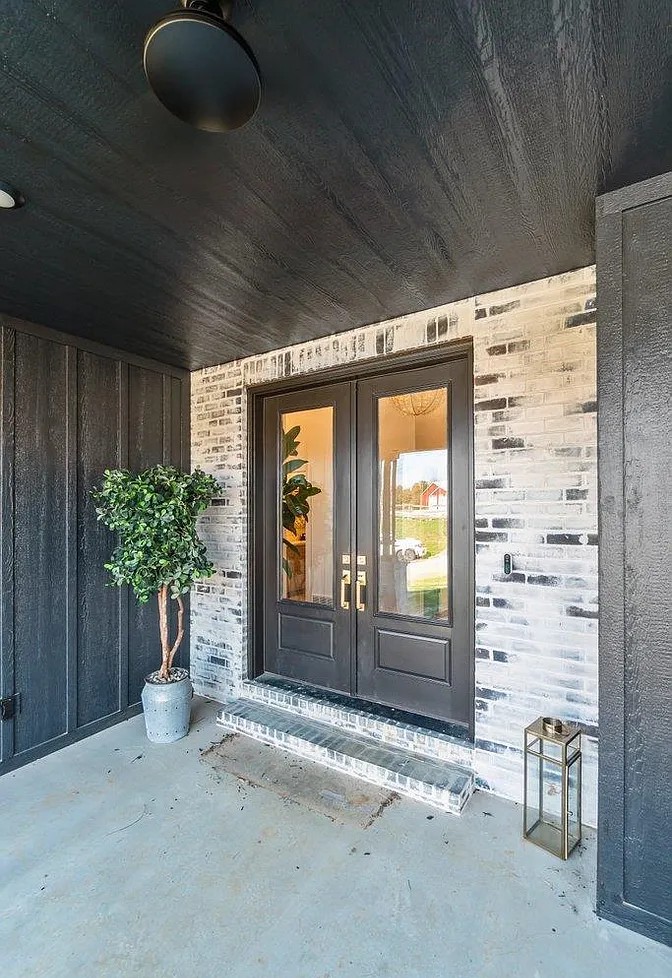
Mixing materials is one of the easiest ways to get the look you love while keeping the build in line with your budget. If you want ideas, our brick exterior trends guide shows seven looks worth building around.
Is Brick Worth It for Your Home?
Brick tends to make the most sense when:
- You plan to stay in the home for a long time and want the lowest upkeep possible.
- Your neighborhood or plan style leans traditional, and brick fits the street.
- You’d rather invest once in the exterior than repaint on a schedule.
Siding, or a brick-and-siding mix, may be the better fit when:
- You want a modern farmhouse or craftsman look with board-and-batten or lap siding.
- You’d rather put more of your budget into the kitchen, the primary suite or a finished basement.
- You love color and want the flexibility to change it someday.
Every one of these choices affects cost, so it helps to see it in the context of your whole budget. Our post on how much it costs to build a custom house in Missouri explains which decisions move the price most.
How We Help You Choose an Exterior
At Trawick Homes, the exterior decision happens during design, not on the job site. We’ll show you real brick, stone and siding options, talk through how each one fits your plan and your lot, and price it inside a budget-based contract so you can see the tradeoffs clearly before anything is ordered.
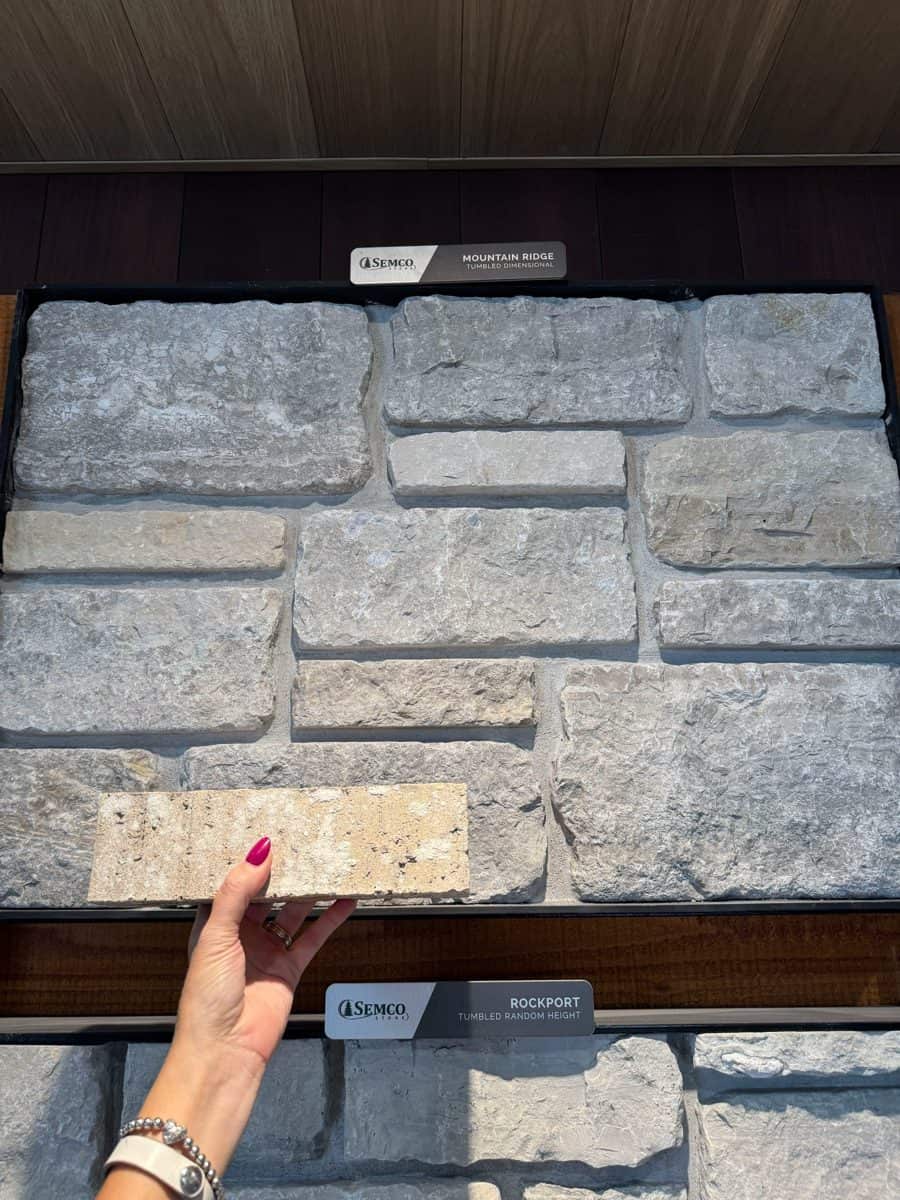
Brick lead times and mason schedules are part of that conversation too, which is one more reason to start planning early.
Your Next Step
Brick vs siding isn’t really a contest. It’s a choice about how long you’ll stay, how much upkeep you want, and how you want your home to feel when you pull in. Brick is rarer than it used to be, which makes it special, and a smart brick-and-siding mix gives many Southeast Missouri families the best of both.
Not sure where your budget lands yet? Start with your number using our free Home Affordability Calculator, then bring your exterior ideas to a planning call with our team. Prefer to see finished homes first? Browse our available homes.
Frequently Asked Questions
Is brick better than siding in Missouri?
Neither is better for every home. Brick lasts longer and needs less maintenance, which suits Missouri’s hot summers, freezes and storms. Quality fiber cement or engineered wood siding costs less up front and offers more style and color options. Many Southeast Missouri homes use both.
How long does a brick exterior last?
Brick itself can last 100 years or more. What usually needs attention over time is the mortar, flashing and the way water drains away from the walls, so good installation matters as much as the brick.
Is brick veneer real brick?
Yes. Most brick homes built today are wood-framed with a single layer of real brick on the outside, called brick veneer. Built correctly with an air gap and drainage behind it, veneer is durable and handles moisture well.
Does a brick exterior cost more than siding?
Brick usually costs more to install than siding because it takes more skilled labor and time. The gap depends on the brick, the plan and how much of the house is covered, which is why many families choose a brick-and-siding mix.
Can I mix brick and siding on a new build?
Absolutely. Brick or stone wainscot with siding above, or brick on the front with siding on the sides and back, are two of the most popular combinations we build in the Cape Girardeau and Jackson area.